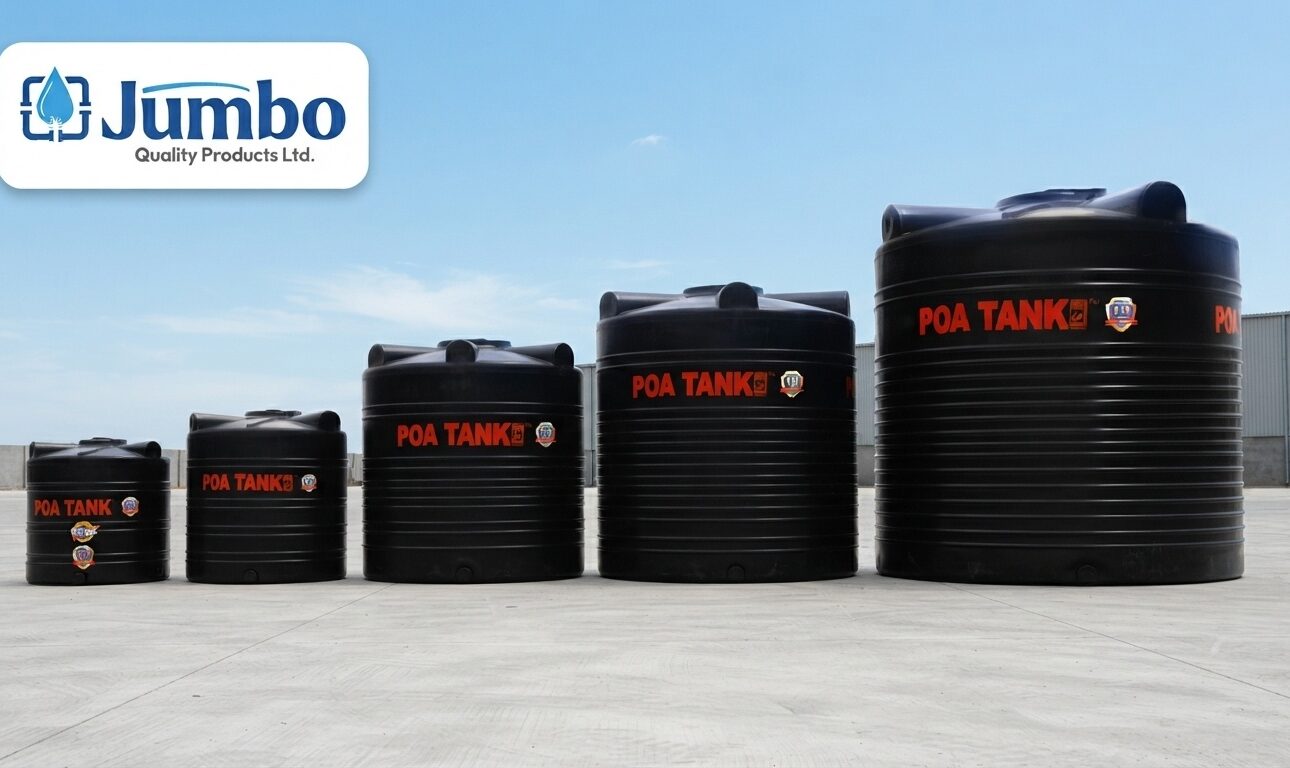
A restaurant owner in Nakuru called last month asking why the 1000 litre tank he’d bought two years earlier could no longer keep up with his kitchen’s daily water use. The tank itself was fine, the problem was buying the wrong type for the job in the first place. Browsing Tanks For Sale Kenya without first working out what you’re actually storing water for, and how much, is how most people end up back at square one within a year or two.
Matching tank type to actual use
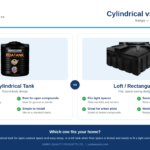
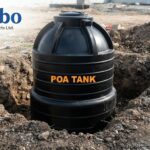
Cylindrical tanks dominate the market for good reason, they distribute water pressure evenly and work whether sitting above ground or buried below it. Loft tanks solve a different problem entirely, mounted at height to keep consistent pressure through a building’s plumbing, and they suit properties where roof space allows it but ground space doesn’t. Underground tanks make sense where visible storage isn’t practical, often used for rainwater harvesting or backup supply, while septic tanks handle wastewater rather than clean storage and shouldn’t be confused with the others when comparing prices. Knowing which category actually applies before browsing Tanks In Kenya saves a lot of wasted comparison shopping.
Getting the size right for the actual household or business
A family of four uses water very differently to a small guesthouse or a farm with livestock, yet all three often start their search the same way, picking whatever size looks reasonably large. For most homes, working backwards from daily consumption gives a far more useful number than guessing, and our guide to choosing the right cylindrical tank capacity walks through that calculation properly. Commercial premises like restaurants or guesthouses typically need several times what a household would, and the 2000 litre water tank price in Kenya that suits a family home rarely stretches far enough for a business with daily footfall.
Buying before the dry season, not during it
Demand for Tanks For Sale Kenya spikes hard once the dry months hit, and with it, prices tend to climb and stock of popular sizes runs thin. Buying ahead of that rush, ideally while supply is steady and dealers aren’t under pressure, usually means better pricing and a wider choice of sizes still available. It also gives enough time to prepare a proper base and get the tank installed and tested before water actually becomes scarce, rather than scrambling once taps start running dry.
Storage needs beyond just the tank
Households and farms sorting out water storage often need related containers at the same time, dustbins, buckets, or troughs for smaller-scale use around the property. Our range of plastic buckets and containers covers what’s available alongside the main tank range for anyone kitting out a property in one go rather than buying piecemeal.
Buying with confidence
Whatever type ends up being right, checking for Kenya Bureau of Standards certification remains the one step worth never skipping. It confirms the plastic used is genuinely food-grade and tested against Kenyan conditions, rather than simply assumed to be, which matters more with Best water tanks in Kenya than the shape or brand printed on the side.
Final thoughts
Finding the right option among Tanks For Sale Kenya starts with knowing what the tank actually needs to do, not just how much it costs upfront. Getting the type and size right the first time avoids the kind of mismatch that leaves a restaurant owner, or anyone else, short on water exactly when they need it most.
FAQs
What type of water tank is best for a small household?
A cylindrical tank between 1000 and 2000 litres usually suits most small households, depending on daily water use.
When is the best time to buy a water tank in Kenya?
Before the dry season begins, when prices are steadier and popular sizes are still in good supply.
What’s the difference between a loft tank and a cylindrical tank?
Loft tanks are mounted at height to maintain water pressure through plumbing, while cylindrical tanks are used for general ground-level or underground storage.
Do commercial properties need a different tank to households?
Yes, businesses like restaurants or guesthouses typically need significantly larger capacity than a standard household tank provides.