

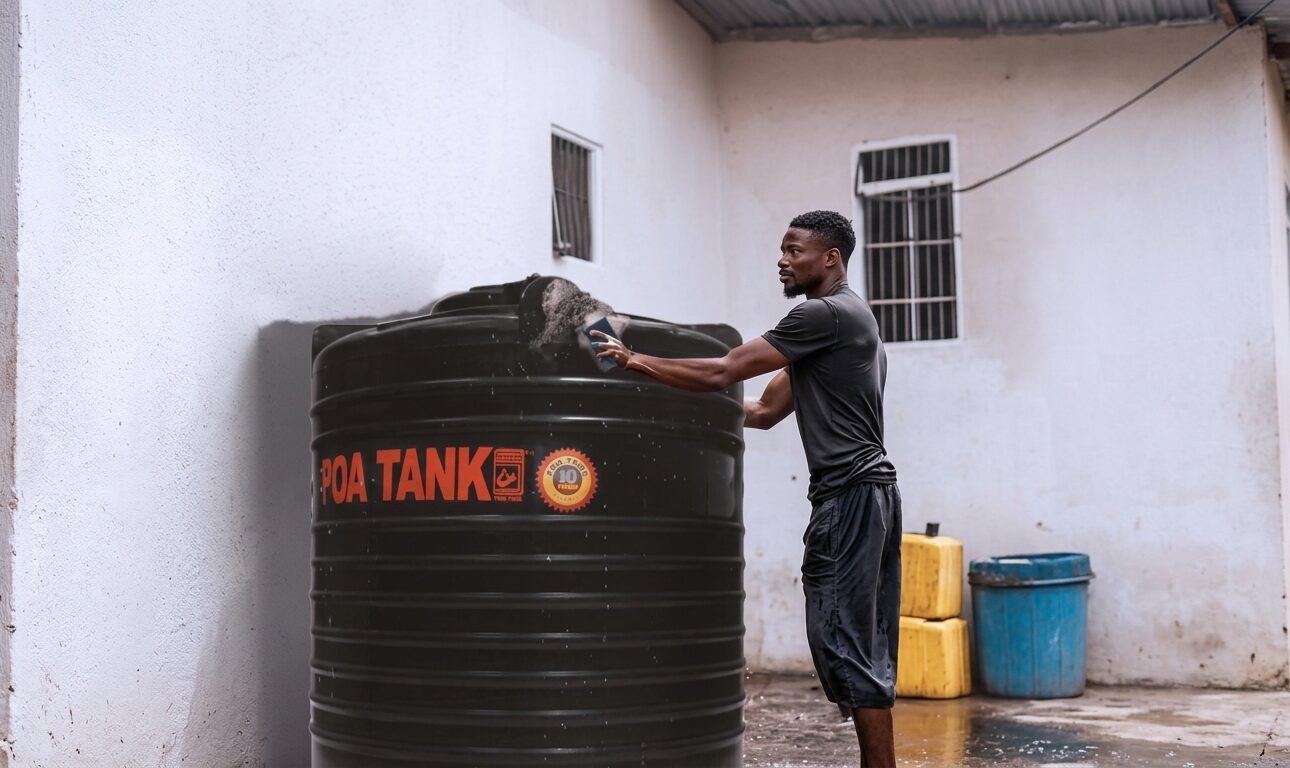
A family in Kitengela called us last month after their old tank split at the base seam, mid-July, with a full 5,000 litres draining straight into their compound. The tank was six years old and had never been moved or knocked. It just wasn’t built for Kenyan sun in the first place. That’s the real reason to slow down before you buy a cylindrical water tank in Kenya, because the shape is the easy part. What’s inside the plastic is where most people get caught out.
Why Cylindrical Water Tanks Are Still Kenya’s Default Choice
Most households and businesses in Kenya go cylindrical, and for good reason. It sits on the ground or a low stand, doesn’t need roof reinforcement, and holds up fine on a basic concrete or block base. Compare that to a loft tank, which needs proper structural checks before you even think about installing one, and cylindrical starts to look like the sensible option for anyone who just wants water storage without an engineering conversation first.
What Actually Moves the Cylindrical Water Tank Price in Kenya
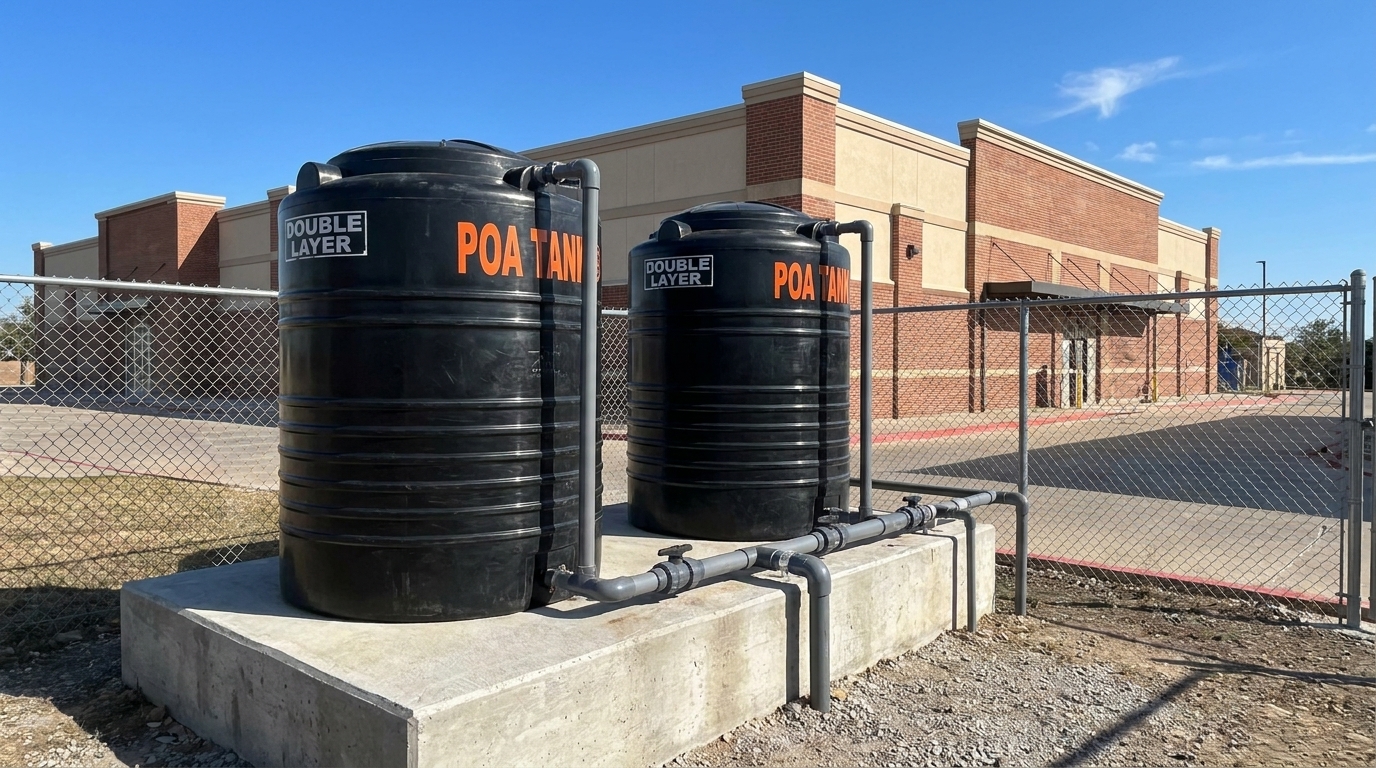
Price swings on three things: capacity, wall thickness, and UV protection. A 500-litre household tank and a 10,000-litre farm or commercial tank aren’t remotely the same investment, obviously, but two tanks of identical size can still cost differently depending on how much UV stabiliser is mixed into the plastic. Skip that step and you’re looking at a tank that turns brittle within two or three years under direct Kenyan sun. It’s the single biggest reason cheap tanks fail early, and it’s invisible until it isn’t.
Picking the Right Size Before You Commit
This is where most people guess, and guessing usually means buying too small. A household of five typically needs somewhere between 2,000 and 5,000 litres depending on how many days of backup you want during rationing. Farms and commercial premises push well past that, often into 10,000 litres and up. If you’re not sure where you land, run the numbers through our water usage calculator before you order, rather than after the tank’s already sitting on your compound.
| Feature | Cylindrical Tank | Loft Tank |
|---|---|---|
| Installation | Ground-level, no structural checks needed | Requires roof reinforcement and structural checks |
| Base required | Basic concrete or block base | Reinforced roof structure |
| Sign-off needed | None – no engineer required | Structural engineer’s sign-off usually needed |
| Best suited to | Most households and businesses | Homes wanting gravity-fed water pressure |
What Separates a Decent Tank From a Cheap One
Look for wall thickness you can actually feel with your hand, and a rotational-moulding process rather than a cheaper blow-moulded shortcut, since roto-moulded tanks have no weak seam running down the side. Ideally, look for certification against Kenya Bureau of Standards specifications too, which gives you something to point to if a supplier’s claims turn out to be more marketing than material. None of this is complicated, but it’s the difference between a tank that lasts fifteen years and one that doesn’t make it past five.
Where to Buy Yours
Poa Tanks’ full range of cylindrical water tanks covers household sizes right through to commercial capacity, all UV-stabilised and roto-moulded rather than assembled from cheaper offcuts. Standards for tank material and construction referenced here follow guidance from the Kenya Bureau of Standards, which is worth checking against whatever a supplier tells you before you hand over a deposit.
Installation Is Simpler Than People Expect
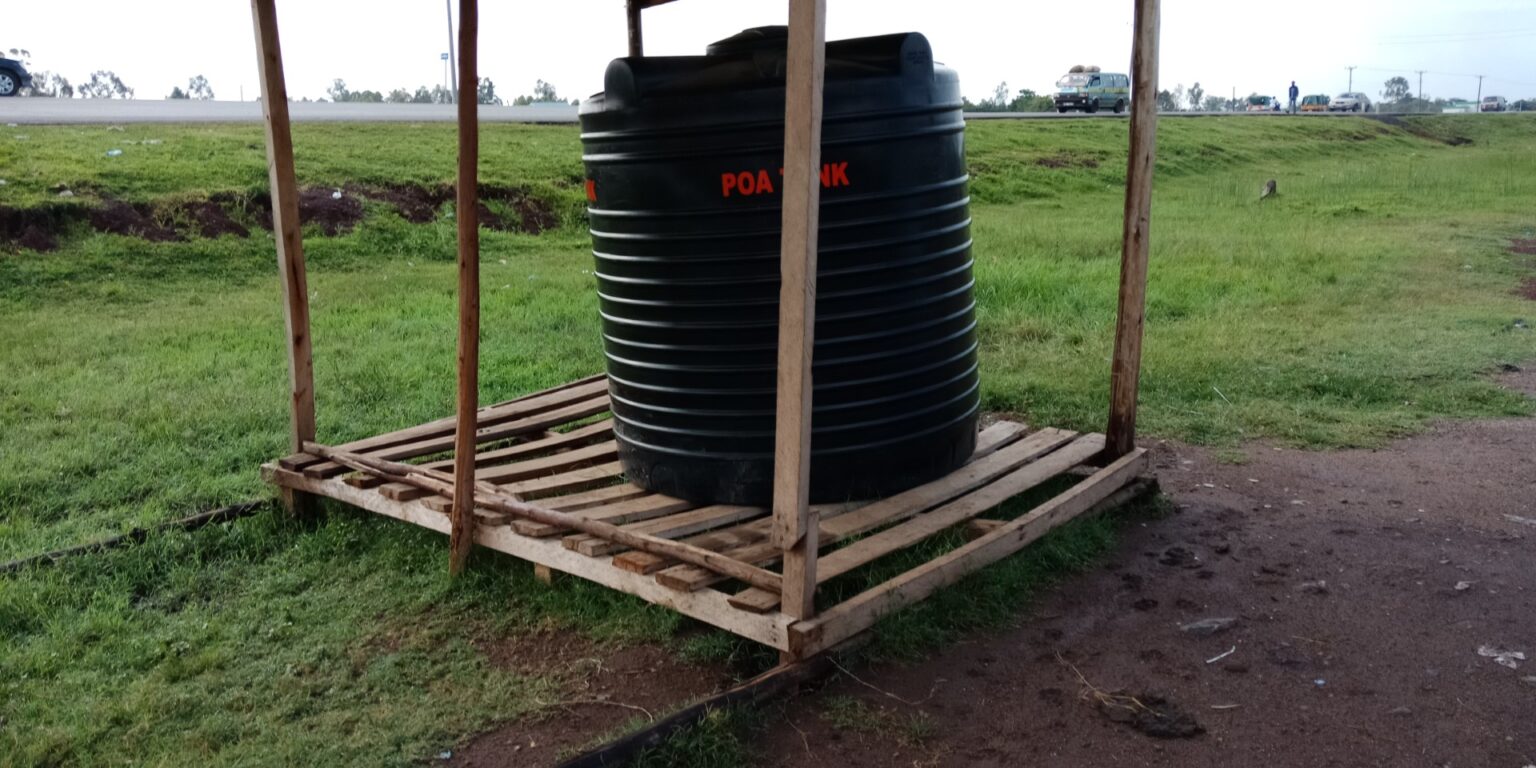
Level, compacted ground and a solid base wide enough to spread the tank’s full weight once filled are really all a cylindrical tank asks for. There’s no roof survey, no load calculations, and no waiting on a structural engineer’s sign-off. That simplicity is half of why people choose cylindrical over loft in the first place, and it’s rarely mentioned until someone’s already stuck on the other option.
If you’ve read this far because your own tank is ageing, cracking, or simply too small for your household now, it’s worth sorting before the next dry spell rather than during it. WhatsApp our team for same-day pricing on a cylindrical water tank in Kenya sized properly for your home.
FAQs
How much does a cylindrical water tank cost in Kenya?
It depends mostly on capacity and wall thickness, with smaller 500–1,000 litre household tanks costing far less than 5,000-litre-plus commercial ones. UV-stabilised tanks cost more upfront but avoid the early cracking that cheaper, unstabilised tanks are prone to.
What size cylindrical tank do I need for a family home?
Most households of four to six people land somewhere between 2,000 and 5,000 litres, depending on how many days of storage buffer they want during rationing. Larger compounds with gardens or livestock usually need more.
Is a cylindrical tank better than a loft tank?
Neither is universally better; they solve different problems. Cylindrical is simpler to install and doesn’t need structural checks, while loft gives you gravity-fed pressure at the cost of extra installation planning.
How long does a good cylindrical water tank last?
A properly UV-stabilised, roto-moulded tank typically lasts fifteen years or more with no real maintenance beyond an occasional clean. Cheaper tanks without UV protection often crack or discolour within two to three years.
Do I need a certified tank, or does any plastic tank do the job?
Certification against Kenya Bureau of Standards specifications isn’t legally required, but it gives you a real benchmark to check a supplier’s claims against, rather than taking their word for wall thickness and material quality.
Ready to Order Your Cylindrical Water Tank?
UV-stabilised, roto-moulded tanks with free nationwide delivery and a 10-year peace-of-mind warranty.